Eating DNA - Why not eat knot?
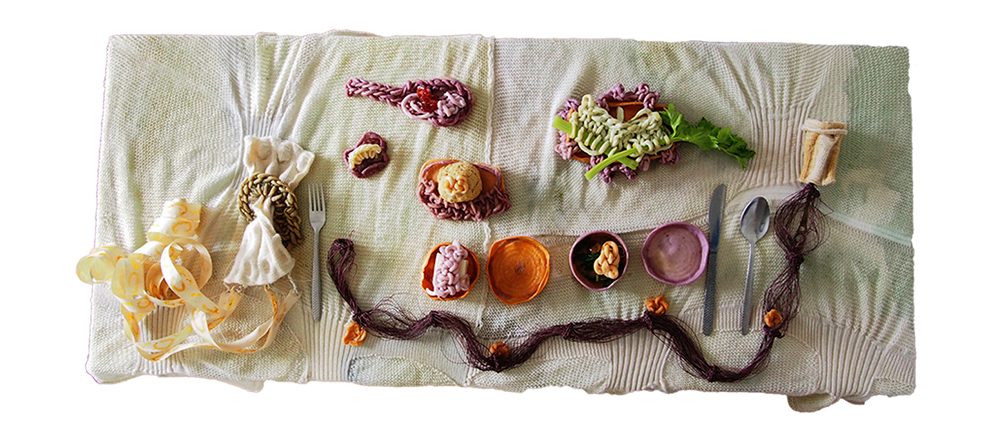
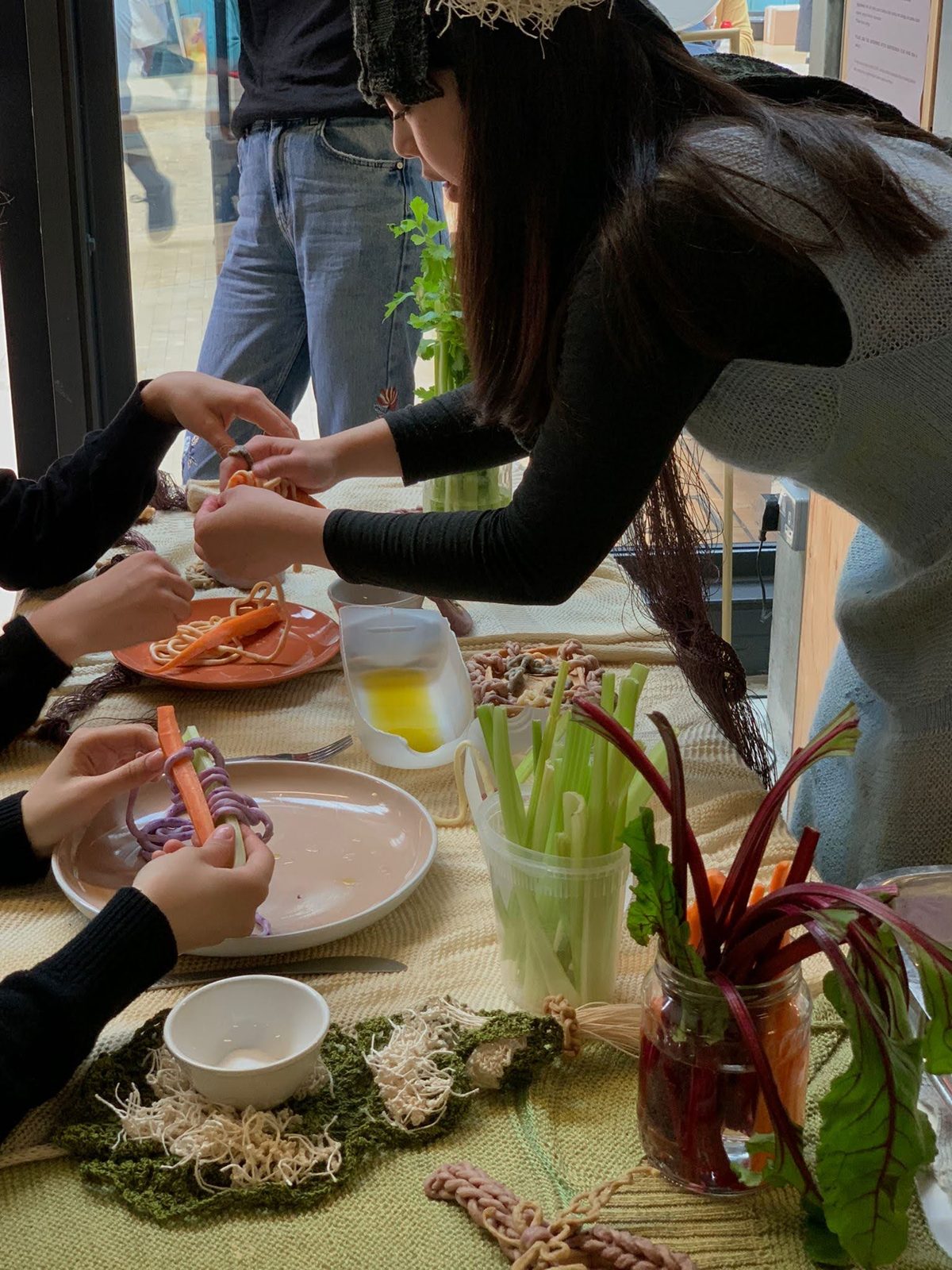
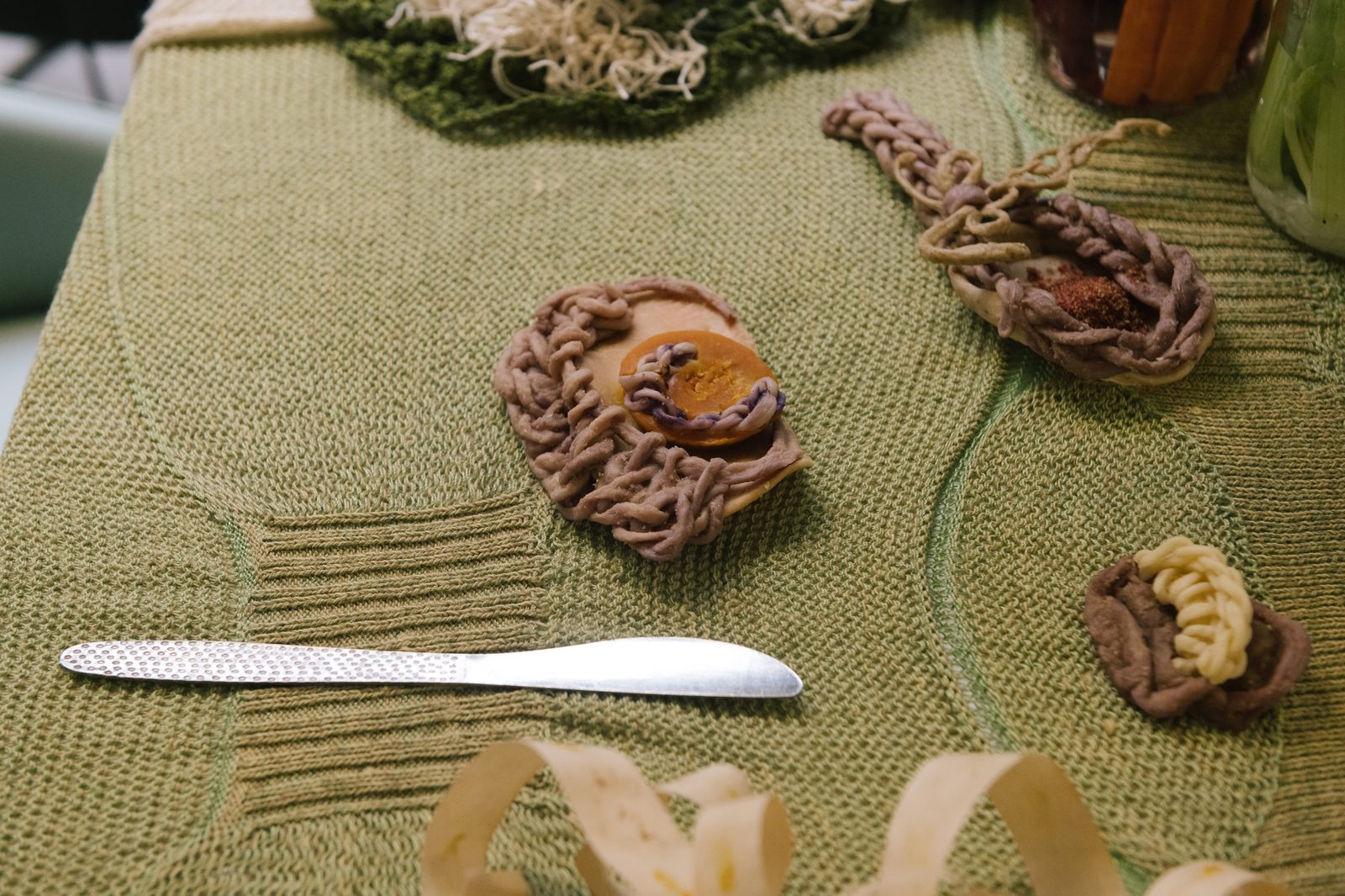
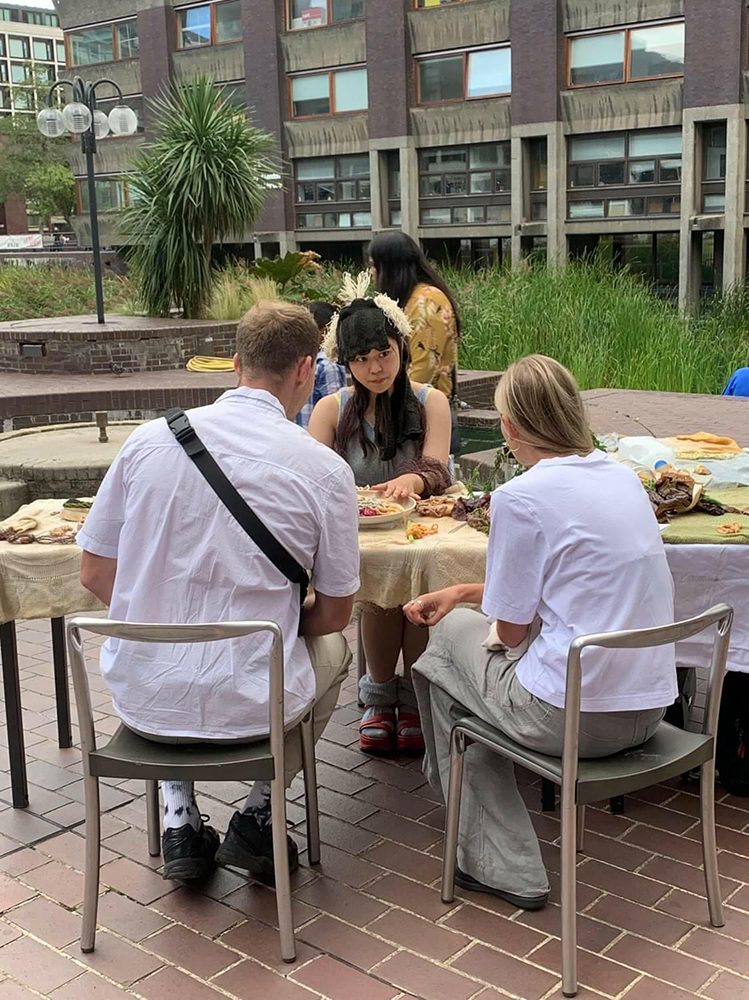
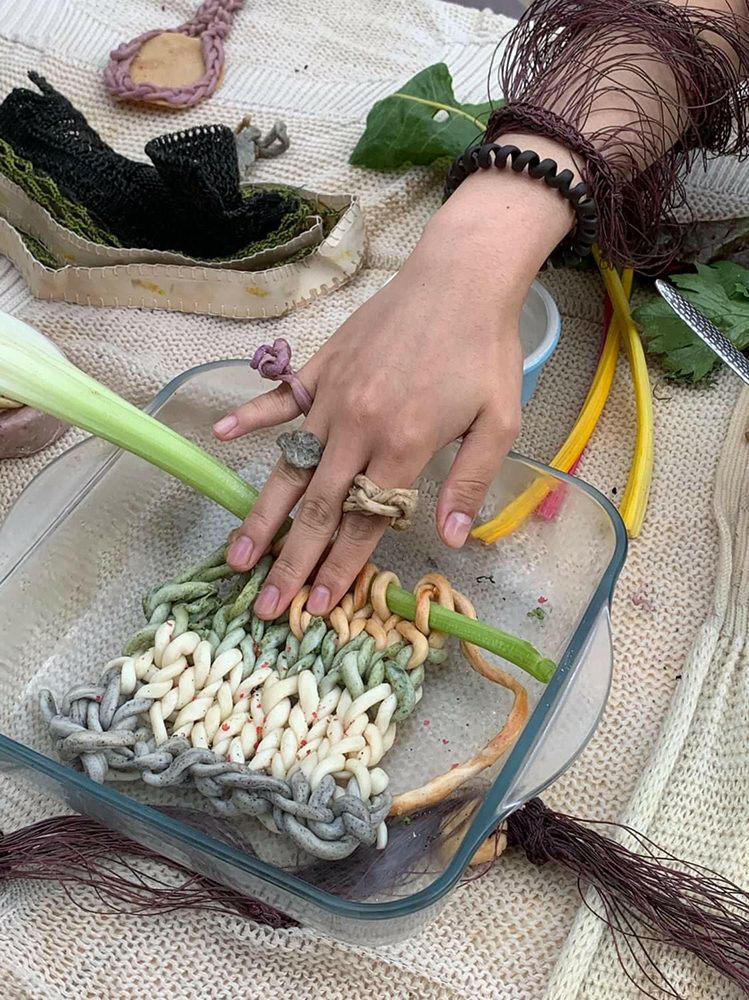
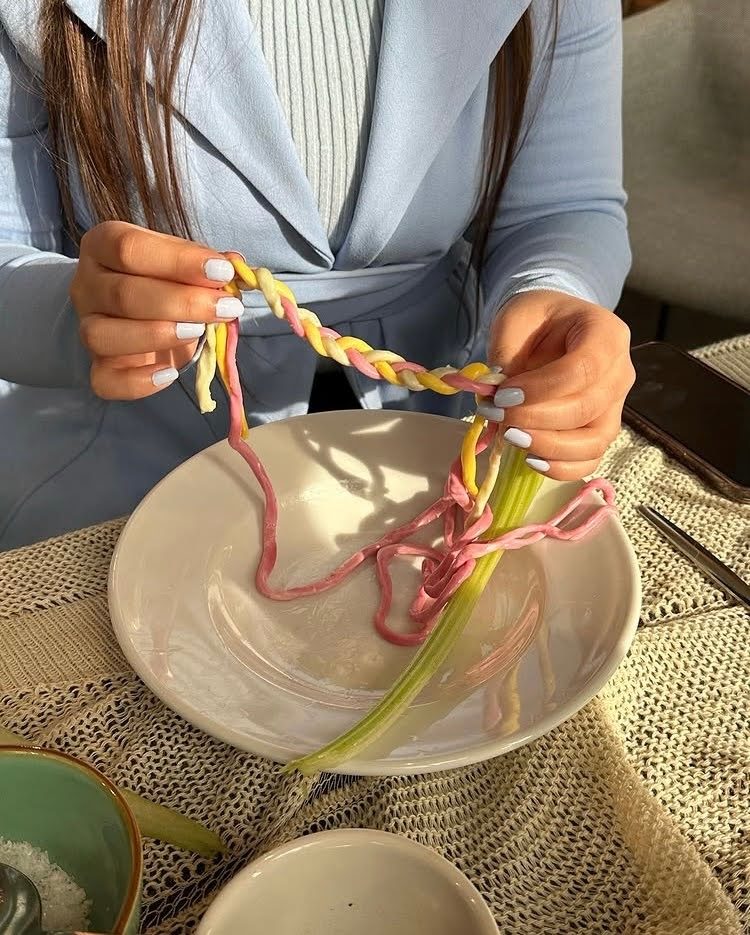
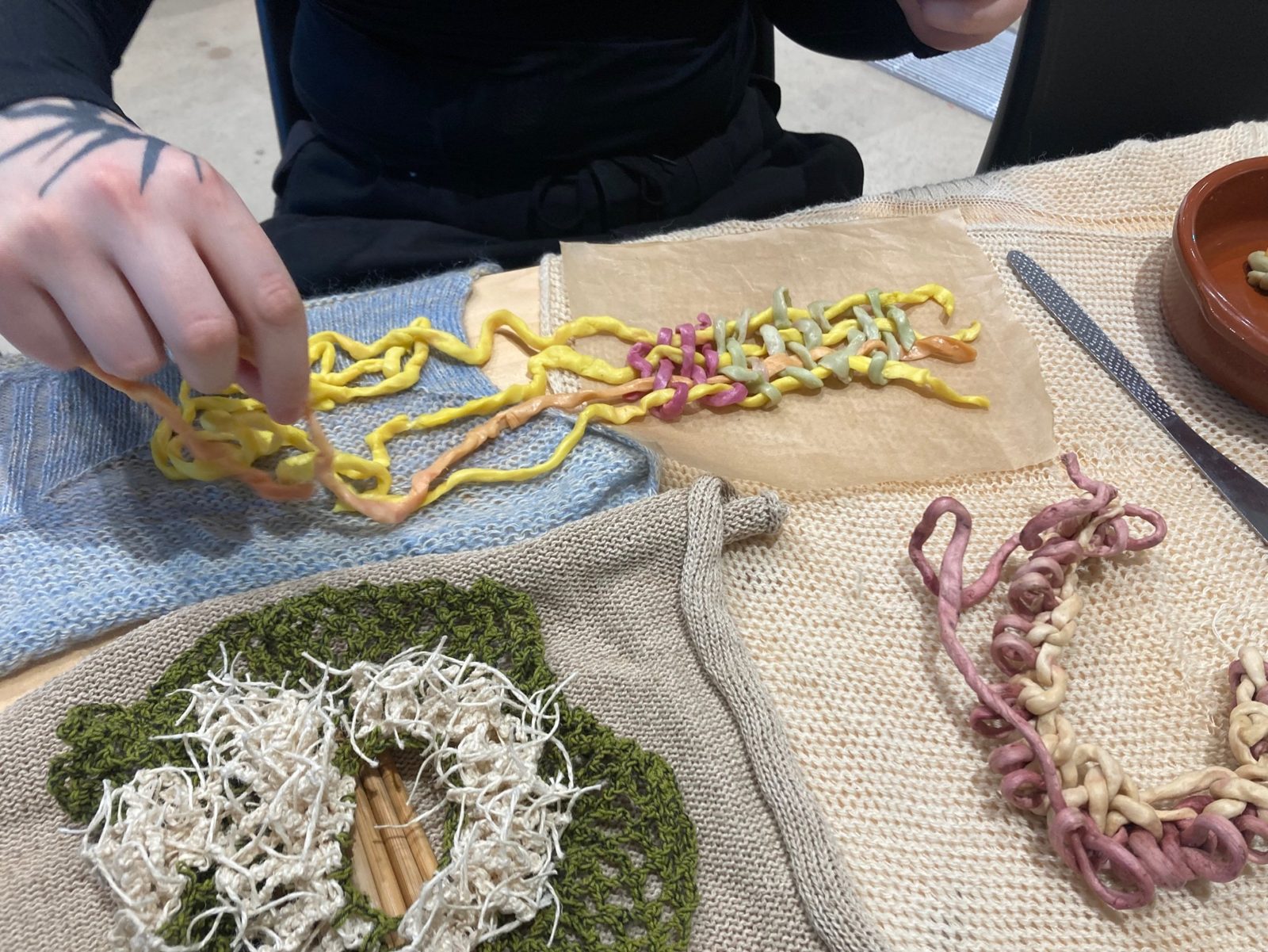
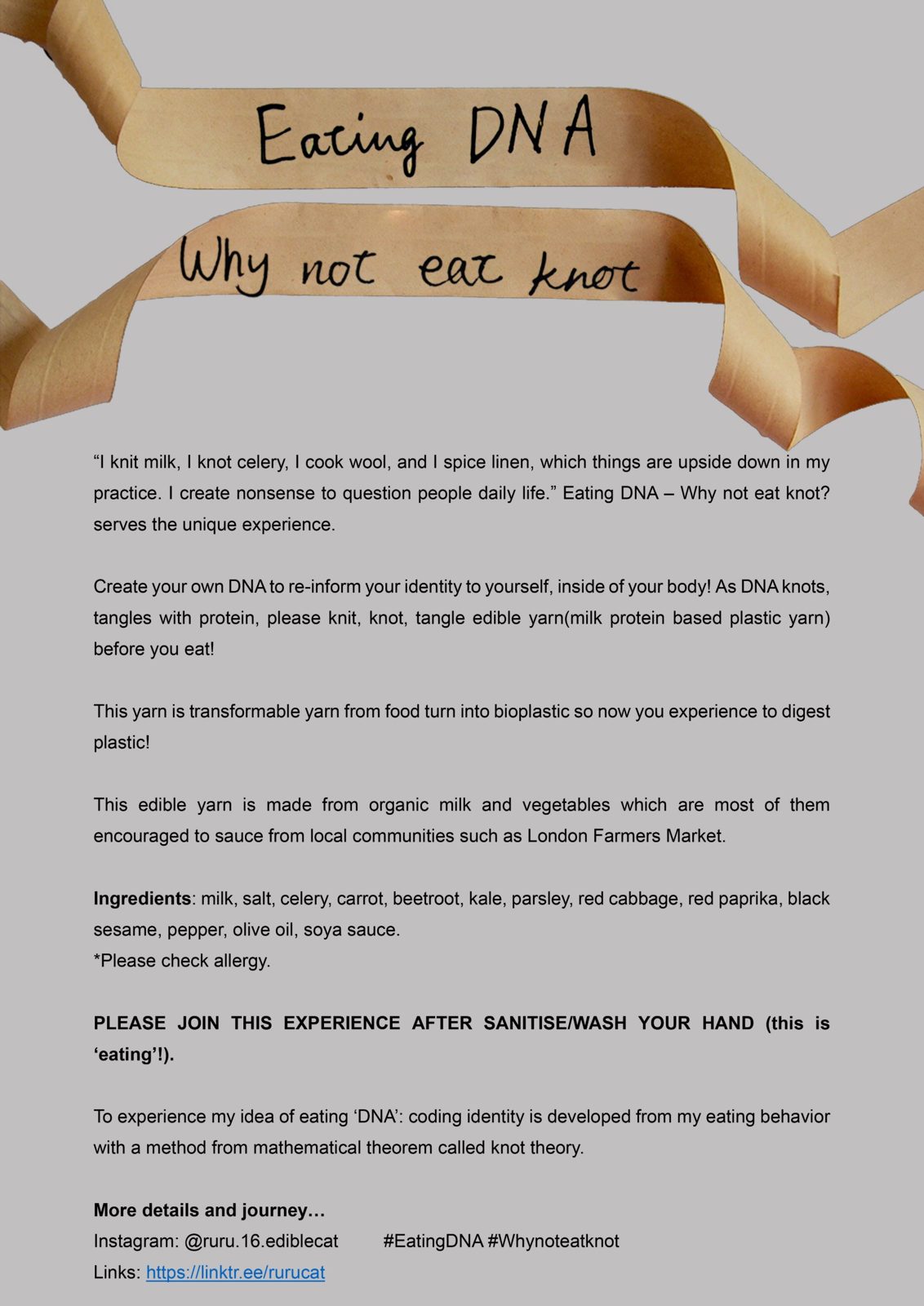
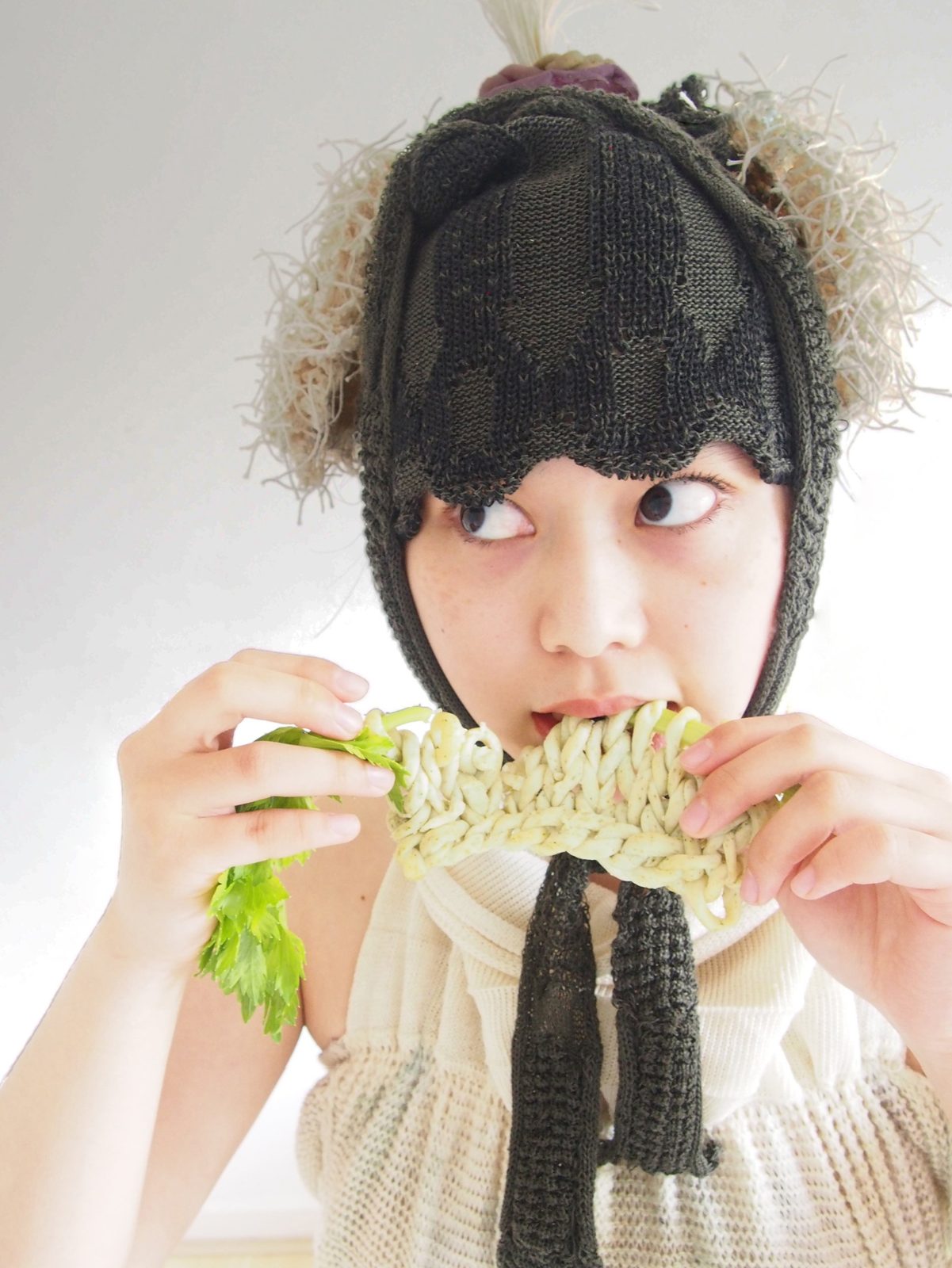
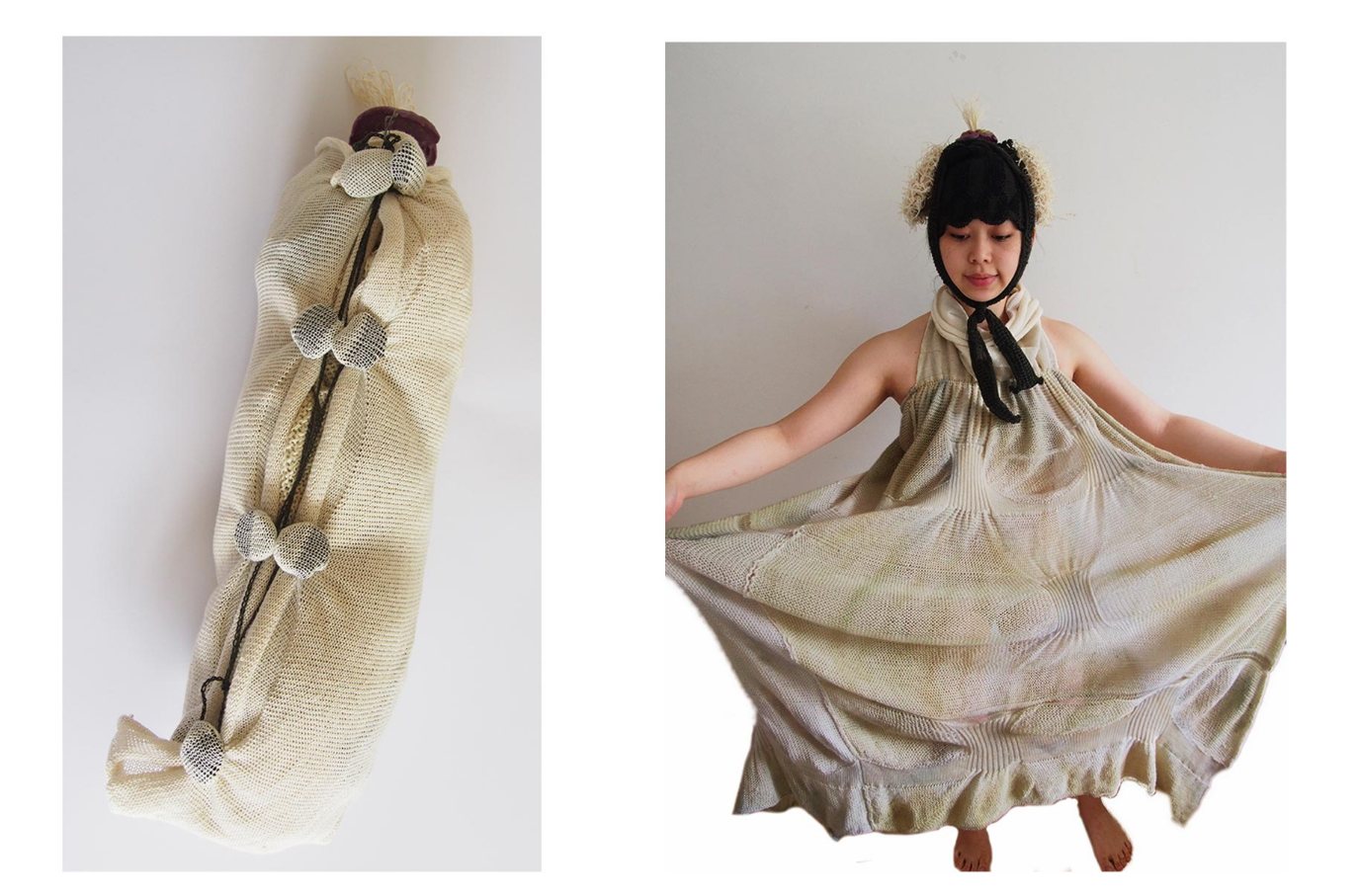
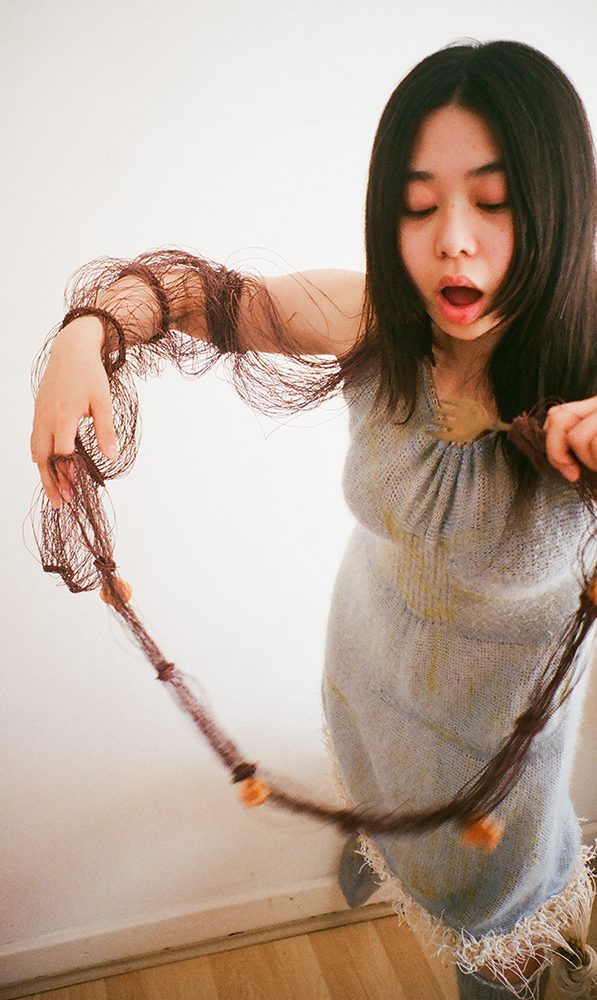
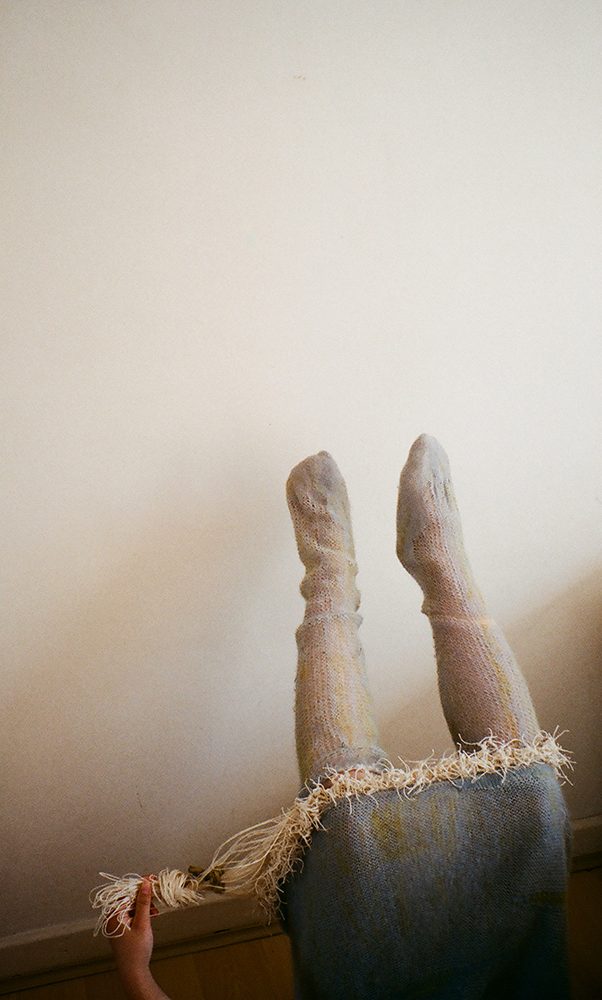
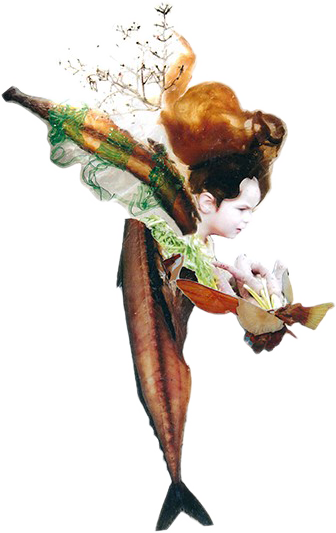
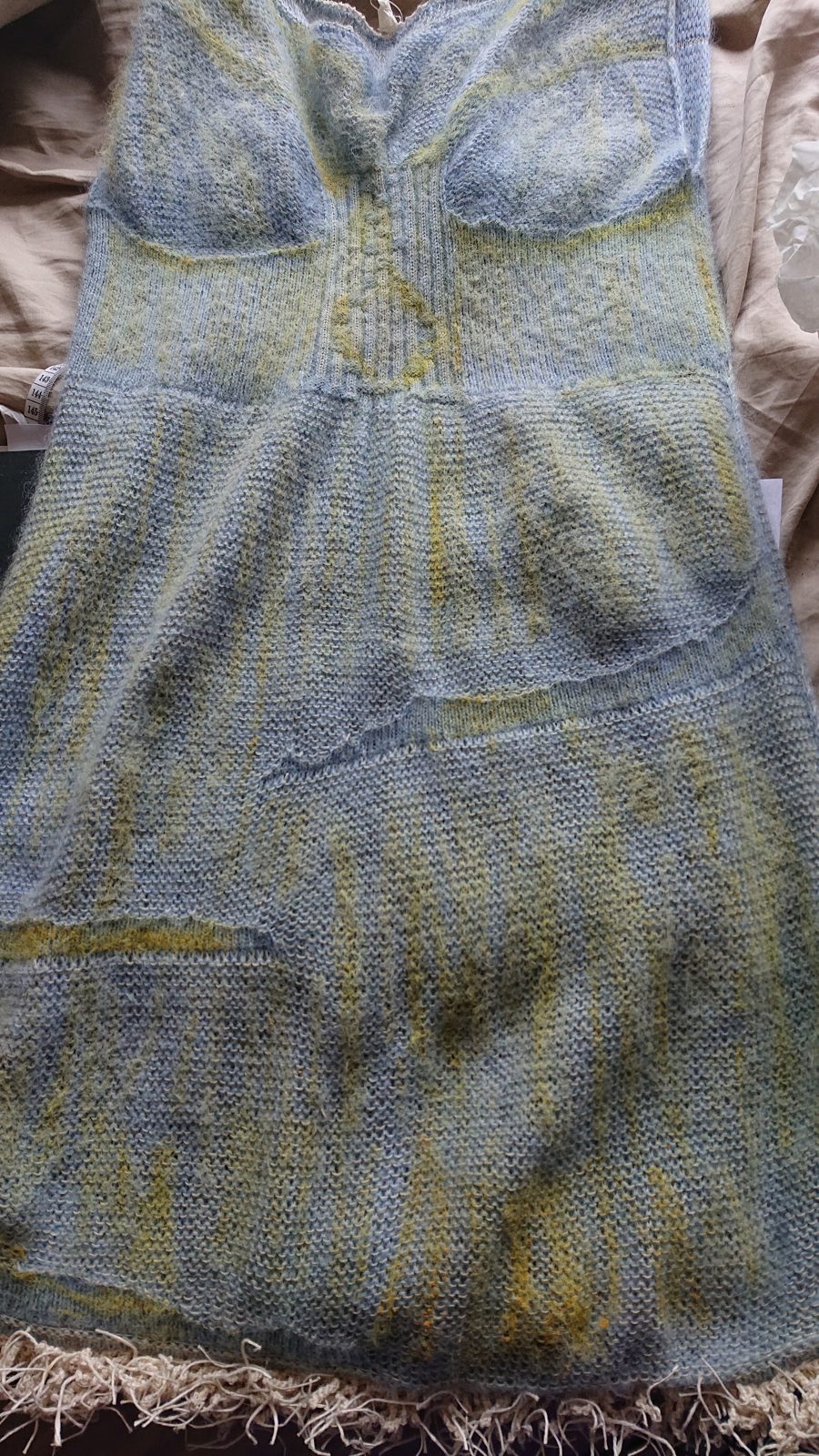
“I knit milk, I knot celery, I cook wool, and I spice linen, things which are upside down in my practice. I create nonsense to question people daily life.” Eating DNA - Why not eat knot? (2021-2024) serves an unique experience. The textiles are interactive pieces for people to experience her idea of DNA: coding in the playful way. They are created as multifunctional and transformational products: from tablecloths to garments, meals to tableware and accessories in order to act as physical embodiments of identity.
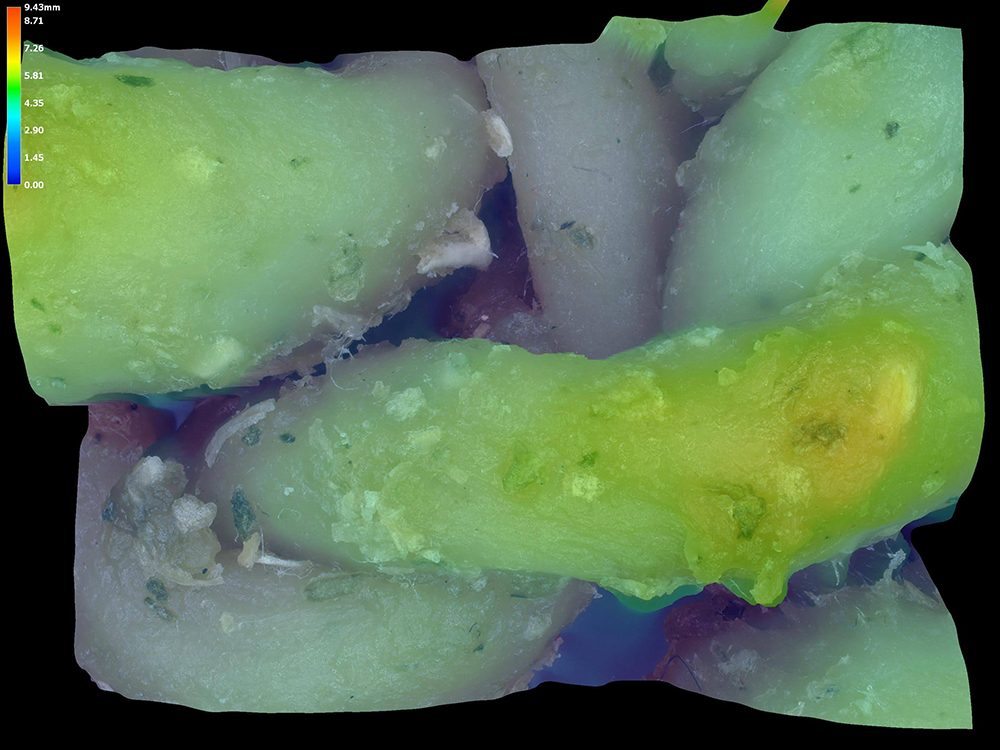
It investigates how people can express their identity through their interaction with materials. Using my own behaviour when eating as a starting point, I developed my own system of cording based on a method derived from mathematical theorem called knot theory where knots are used geometrically for understanding DNA. It enabled me to devise and represent unique exploration of identities through knitted textiles as well as edible materials. All textiles are made of edible or materials from vintage, deadstock, waste and leftover from industries, and most of the yarns that I used are natural: wool, linen and cotton. The milk protein yarn that I developed with organic milk is inspired from the mechanism of DNA. It could be enjoyed as food but could also be transformed into bioplastic. As well as allowing people to express their identities through materials, this circular system approach makes it possible to rethink aspects surrounding everyday life including both social and environmental issues by sourcing food from local communities, using craft techniques and natural and leftover yarns to reduce waste and chemicals in the process of making.
Research
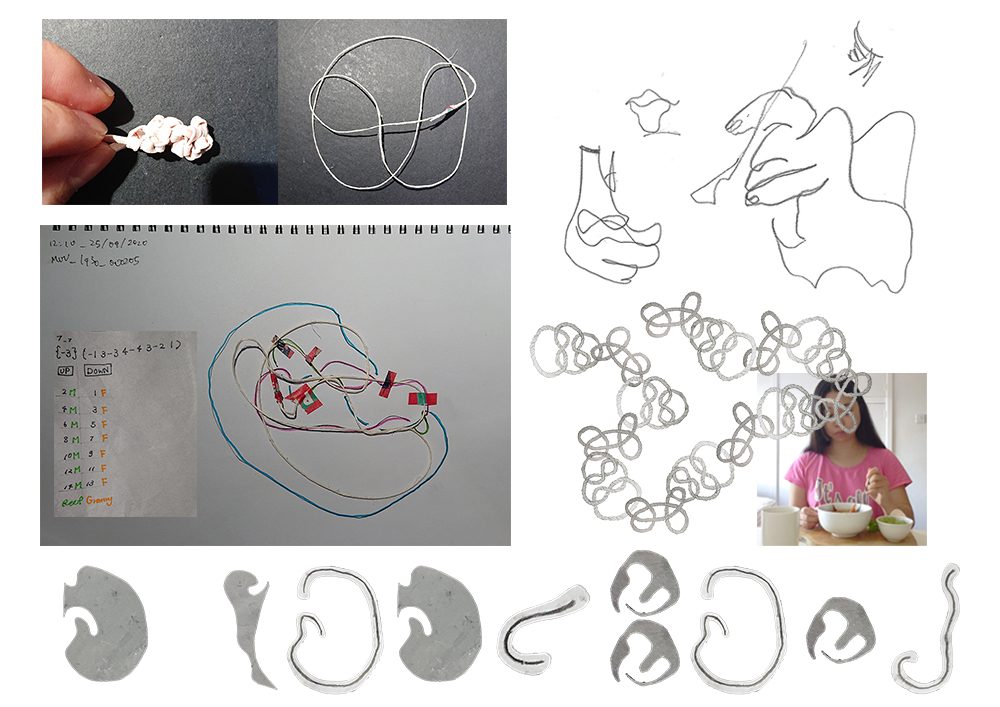
While taking a journey of the project, I thought about what I can do and how I can explore this practice using knit as a tool after I gathered the information of eating behaviour. By trying to draw without seeing to find where I am looking at both objectively and subjectively from my eating video, I realised my eating observation drawings have made tangles, knots.
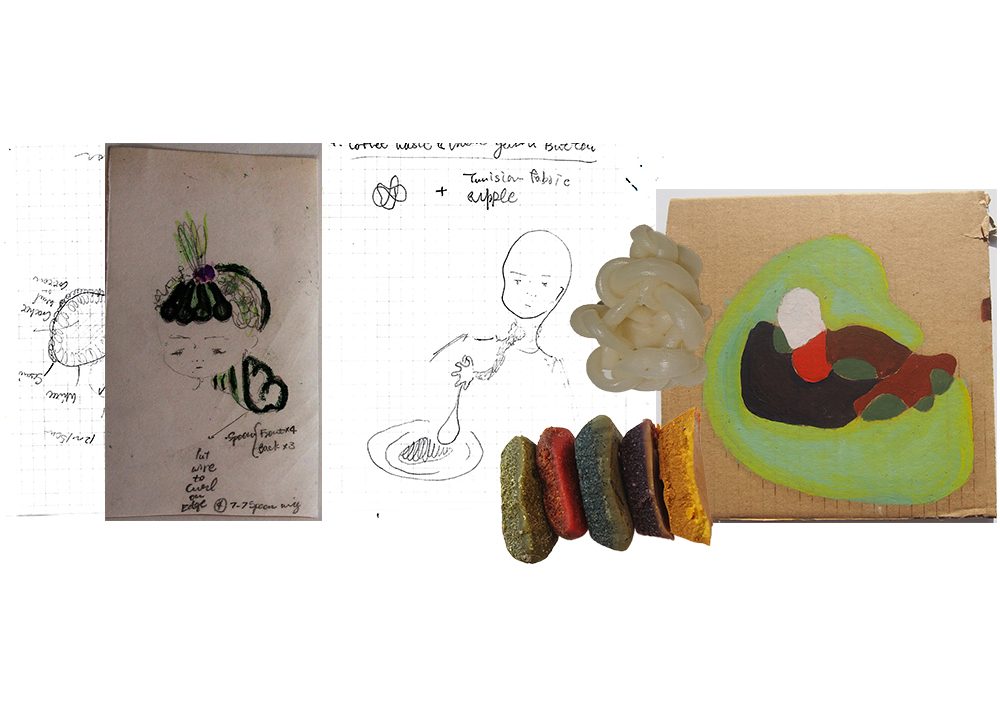
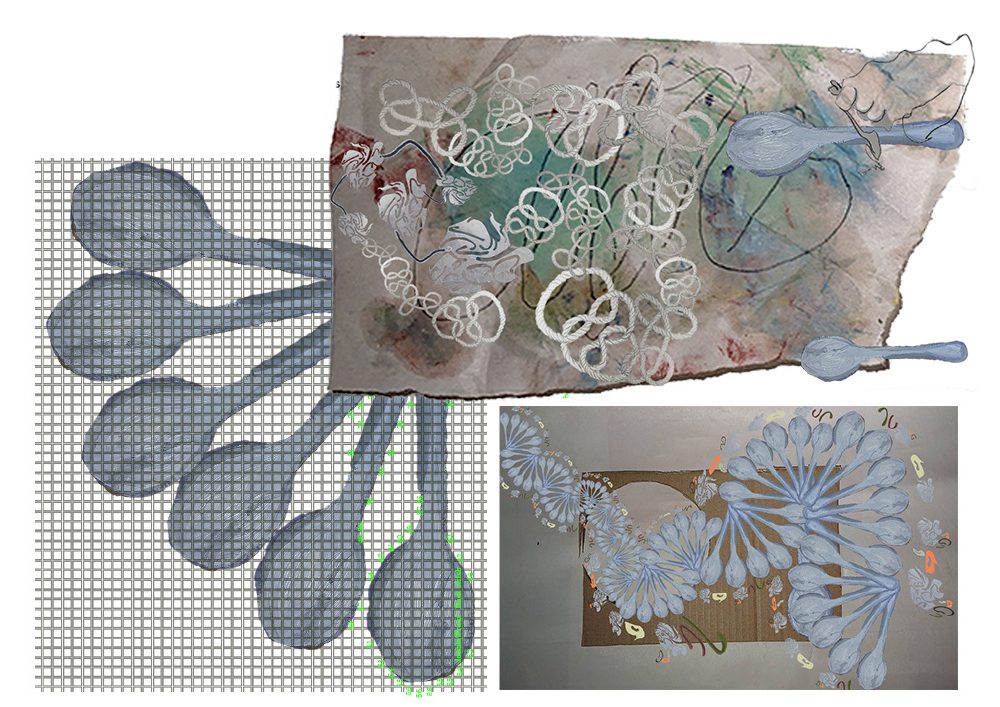
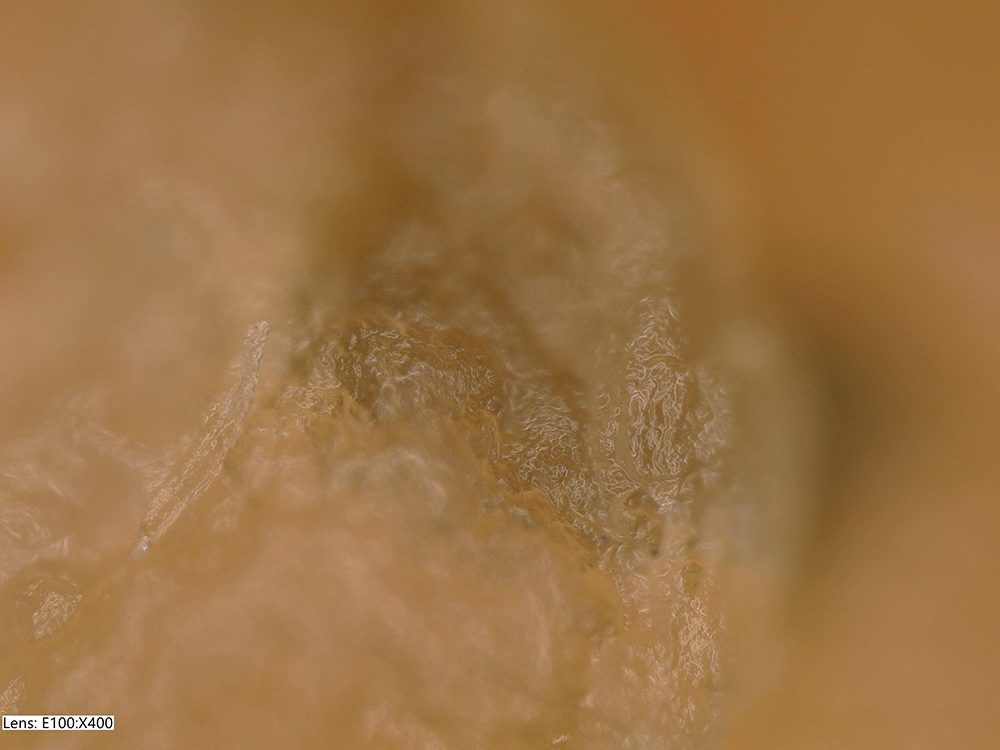
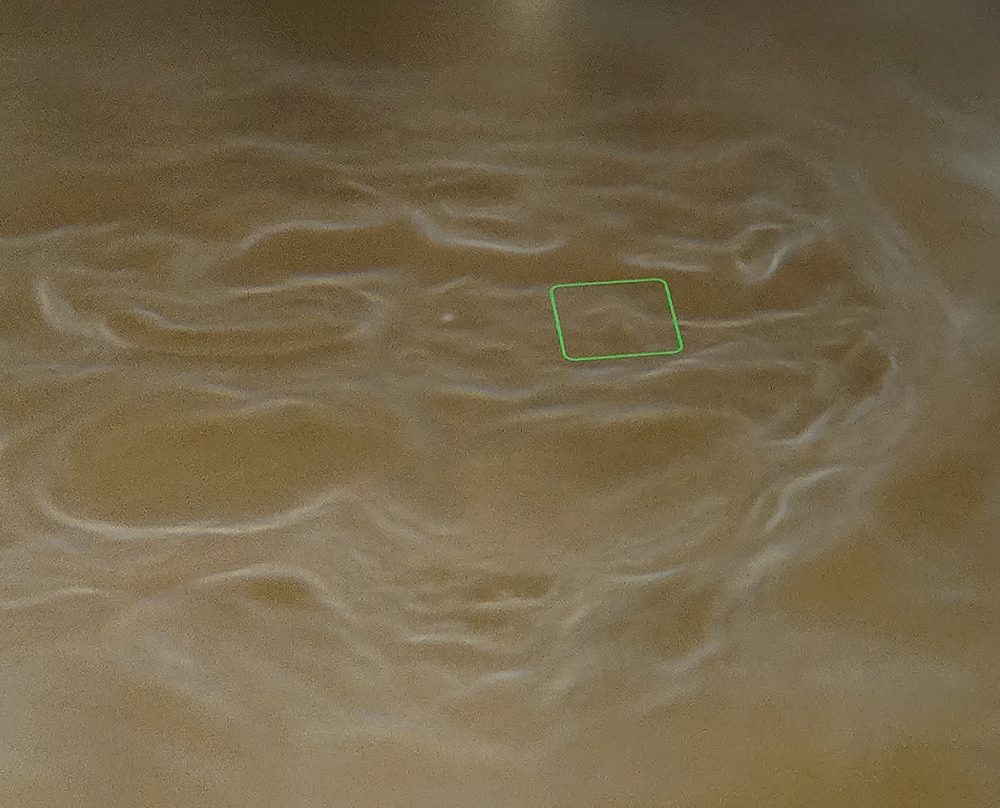
The idea of development was formed considering how it is possible to re-inform her interpretation of eating DNA through products and materials. I developed milk protein yarn and crayons for colouring and drawing fabric/paper created from food and ethically sourced bee wax. Textile samples and my drawing collage represented the re-information of her eating codes as DNA, considering food display frames as cells.
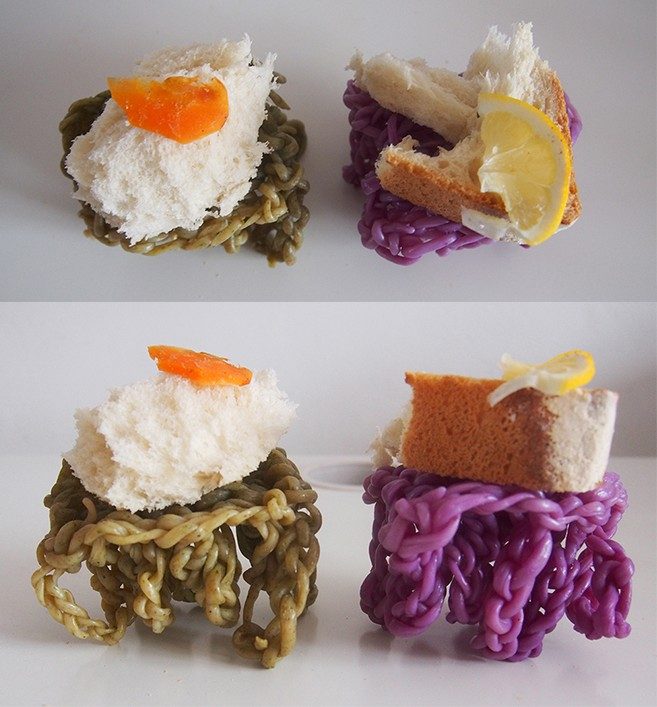
It's taken from the method of knot theory which is a mathematical theorem about knotting in order to understand their formations which embody numbers, structures and formulas. It is used for understanding DNA typologically and Criminal investigation to analyse criminals/people’s behaviour and characters. Thus, DNA is the form of recording information of individuals' identities. Besides knot as itself, knot has meanings and names in traditional way when you look at crafts as well as practical functions. Hence, she created and found her own DNA: identities from her eating behaviour and the meals that contain information of her interpretation of knotting through knot theory.