Homunculi
Vol. 1 (2025)
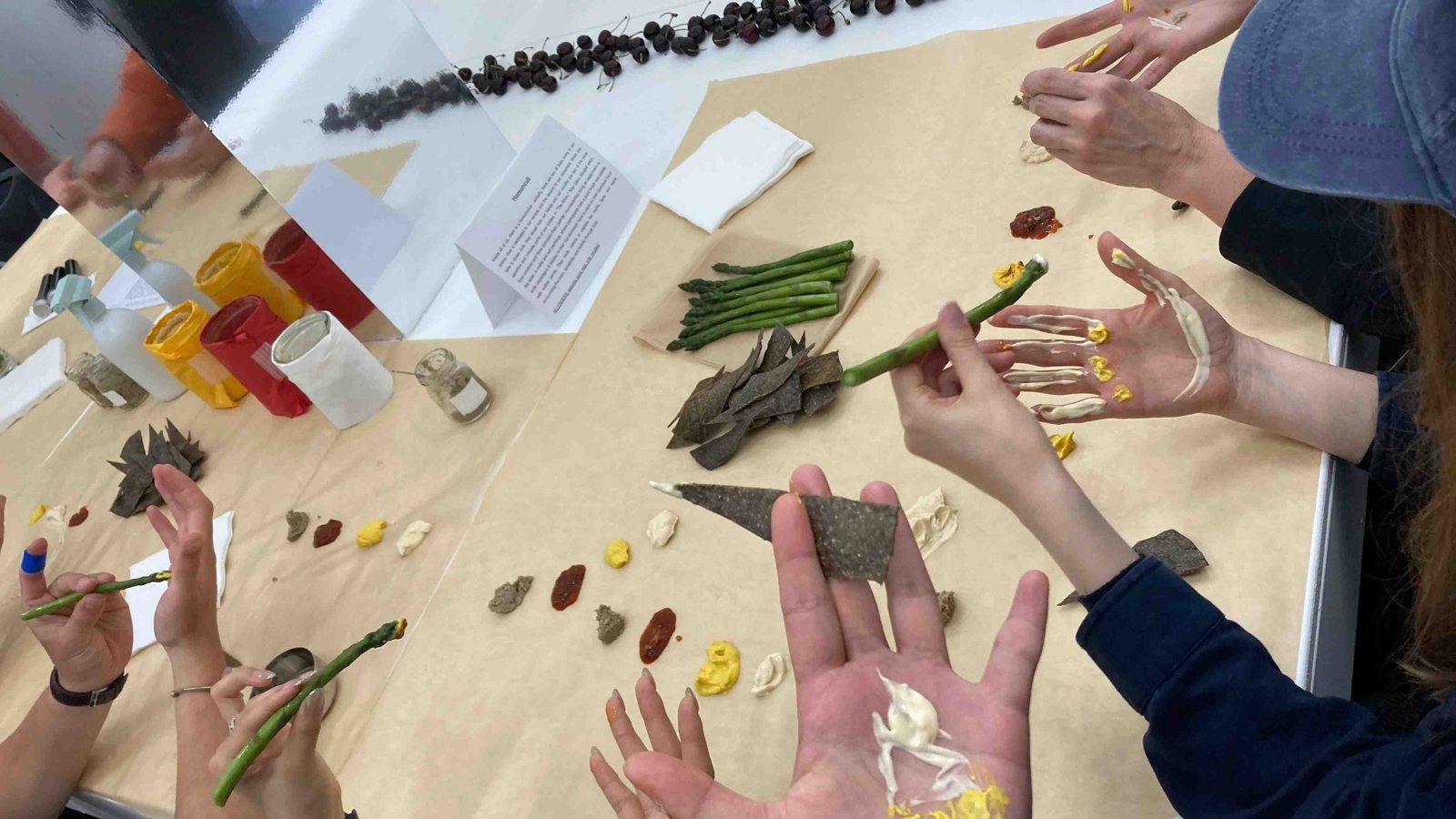
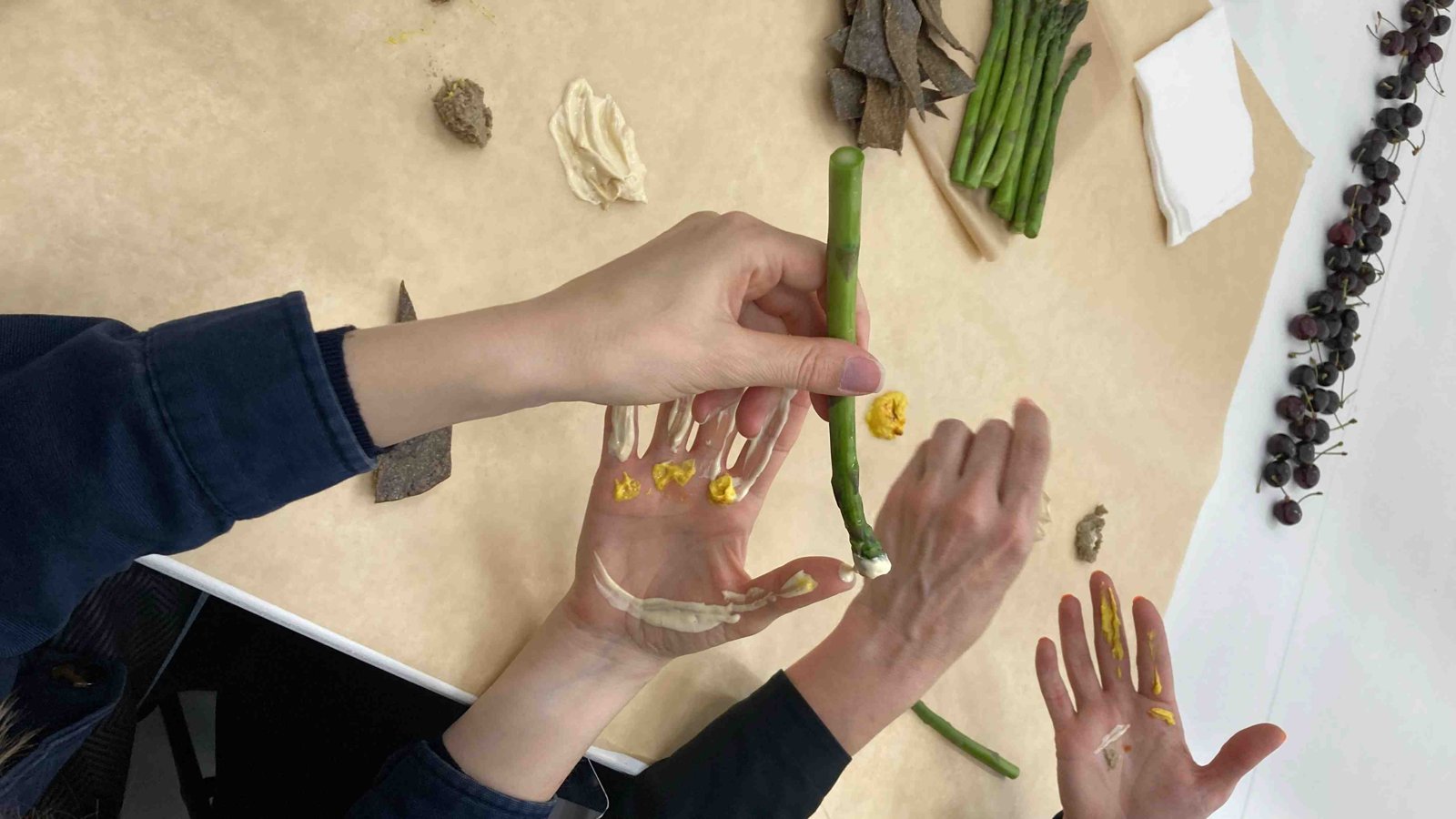
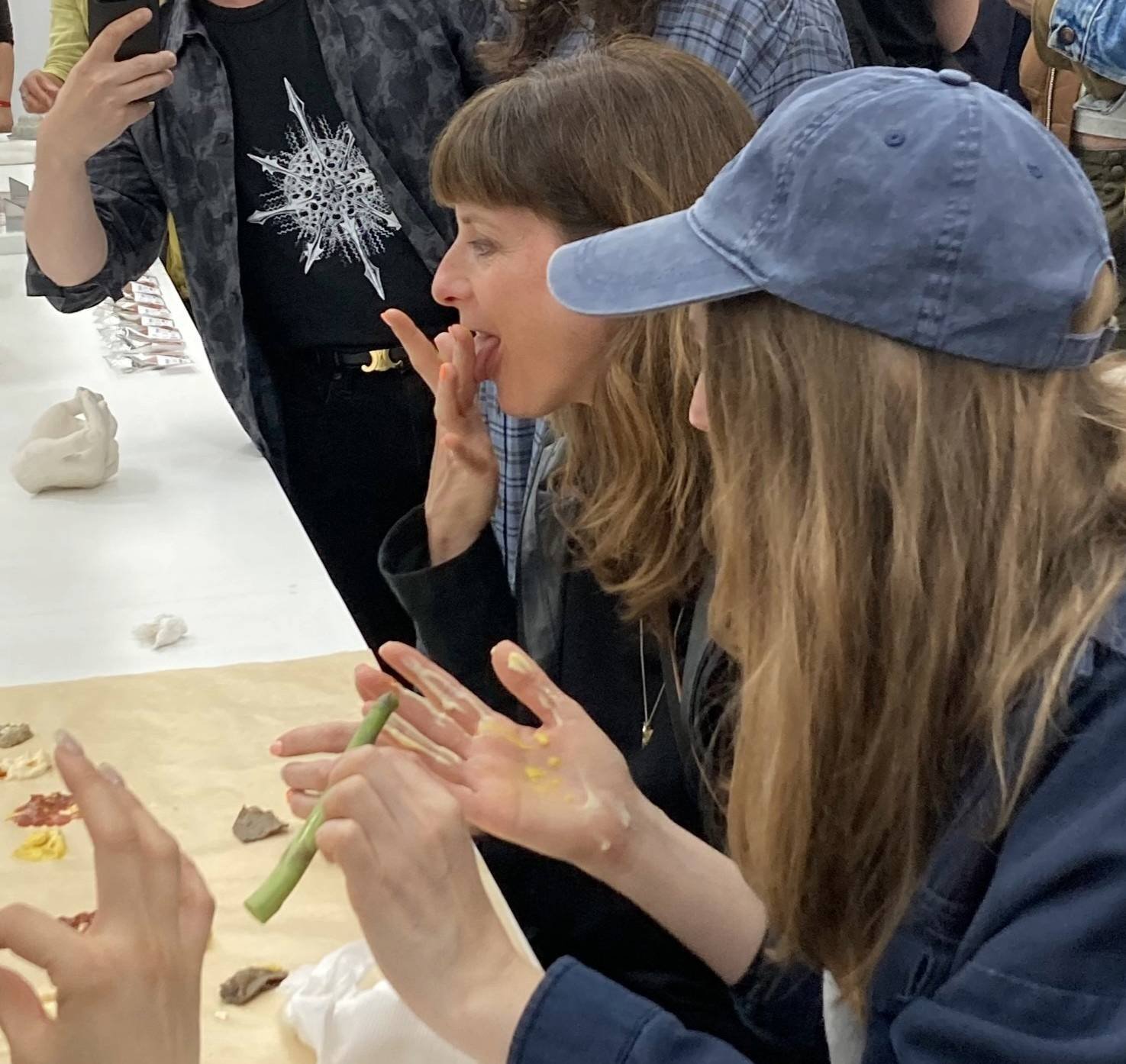
Inside all of us, there is a homunculus - actually, there are two of them, living in our brains. One is dedicated to our senses and the second to our movement. When you take a closer look, they reveal how our hands and our mouths are two of the most sensitive and intricate parts of our bodies. This collaboration between Risa Ueno (tangled witch, food creative) and Nina Gonzalez-Park (painter, neuroscientist) bring an experiment to the table: to make and eat paintings, where participants hold an edible paint brush and palette knife in their non-dominant hand to paint on their dominant hand with edible paints. They invite visitors to explore the myths, facts, and habits surrounding the brain, sensibility, and tactility through food.
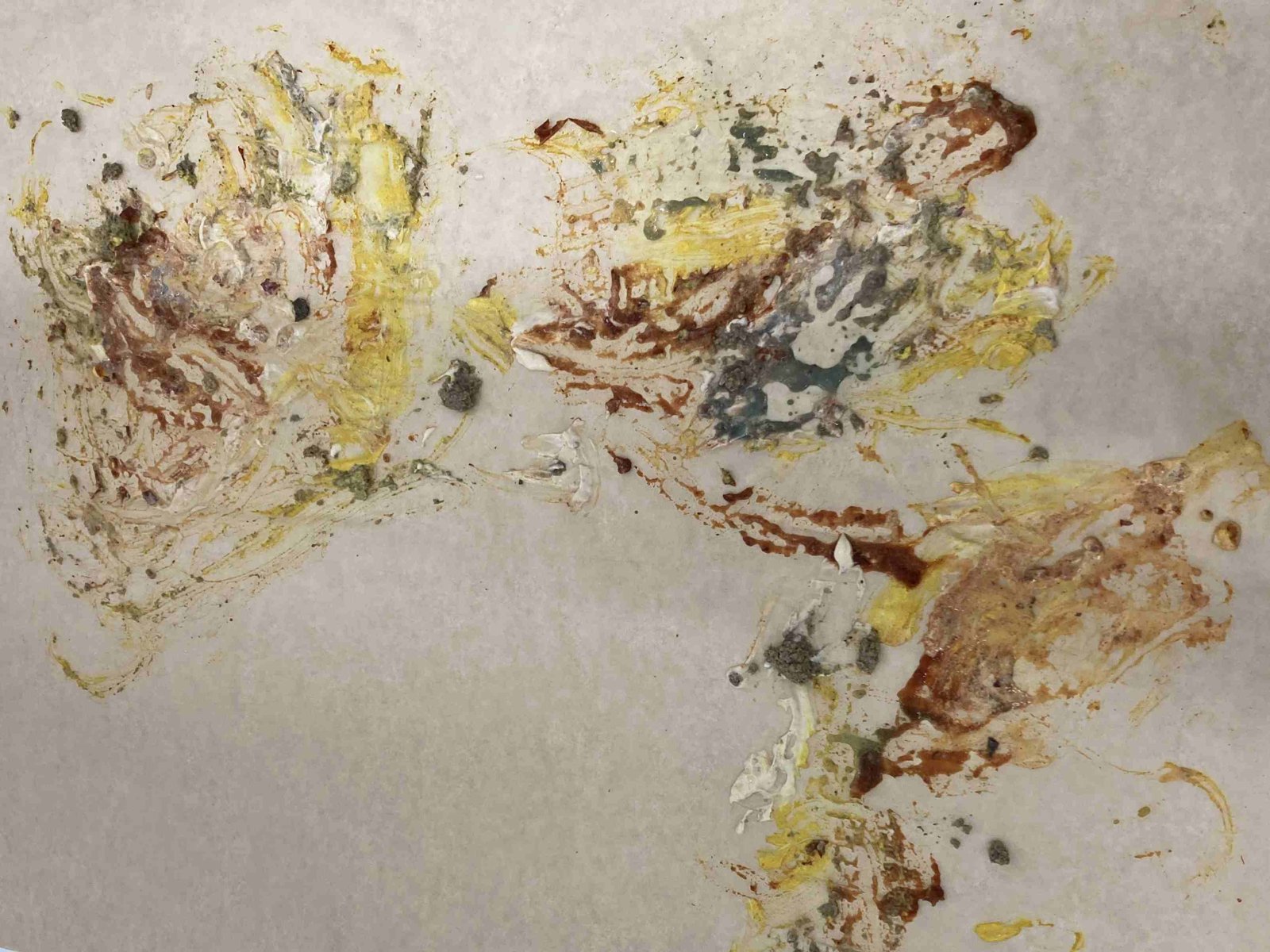
Vol. 2 (2026)
Food Art Fair(2026)
Homunculi (v1) was an experiment where visitors were asked to make and eat paintings, holding an edible paint brush and palette knife in their non-dominant hand to paint on their dominant hand with edible paints. Through this absurd action, visitors were invited to explore the myths, facts, and habits surrounding the brain, sensibility, and tactility through food. It was an experimental project to test how visitors would react to this experience that turned a daily necessity (eating) into a specialised, unnatural action (painting with the non-dominant hand). It was a fully sensorial experience focused on the hands and mouth, where visitors actively engaged with the strangeness of the experience – many reacted to the textures of the foods, the colors, and the visceral experience between hands and mouth.
Risa and Nina want to expand on this initial experiment and explore concepts of symbiosis/interconnectivity. Risa for years has had a fascination with cacao and has recently begun researching the symbiotic growth of vanilla and cacao, plants native to Nina’s home country of Mexico, after Nina had gifted her homemade vanilla essence. In the meantime, Nina discovered that the cortical homunculus model of the brain has recently been overturned – scientists have published evidence that the homunculus responsible for movement is actually the site of a more complex network linking mind and body states together.
Research Experience
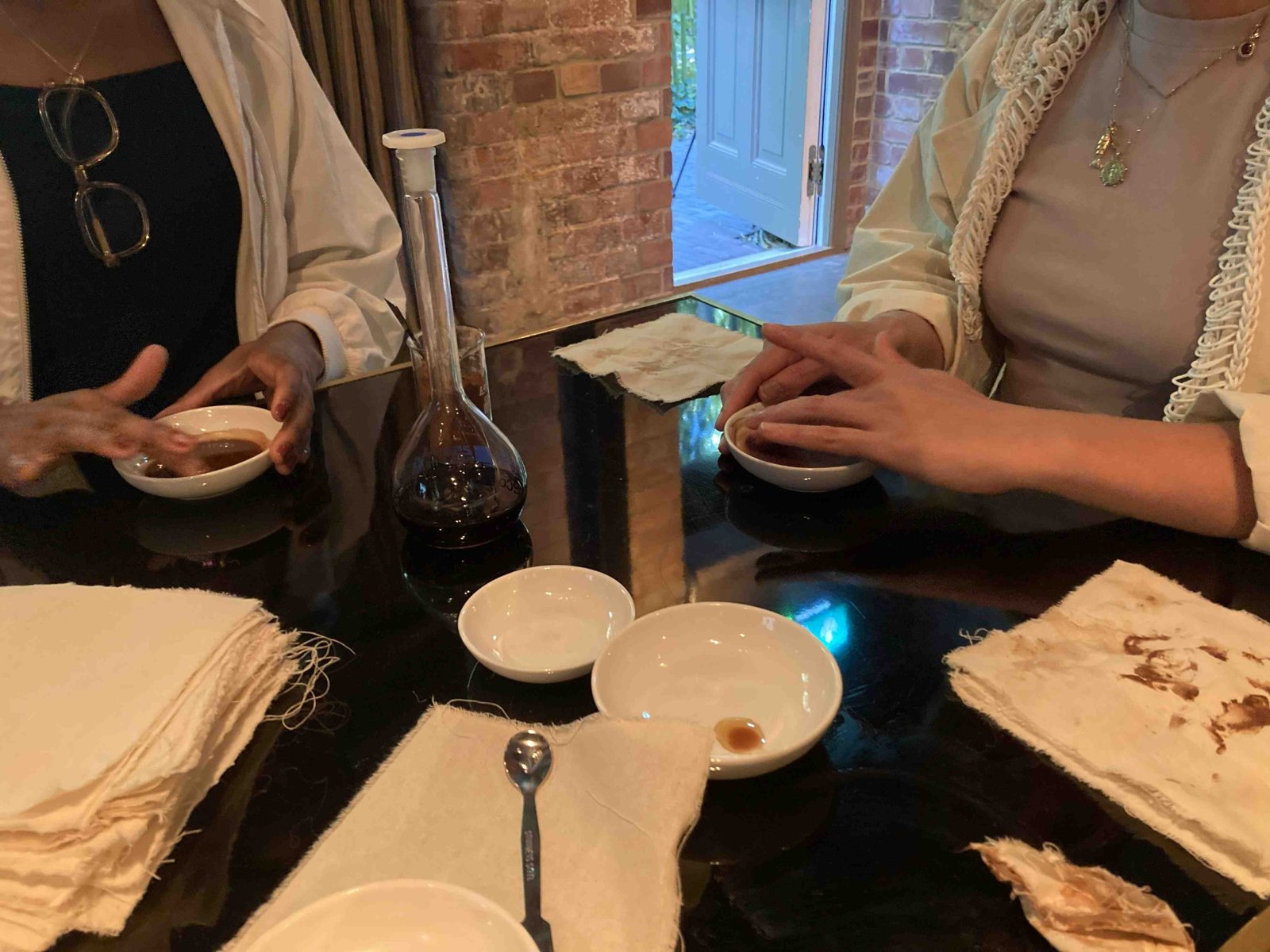
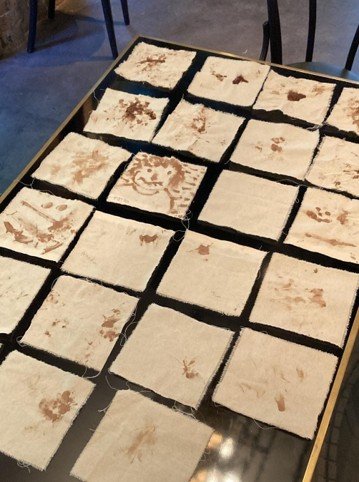
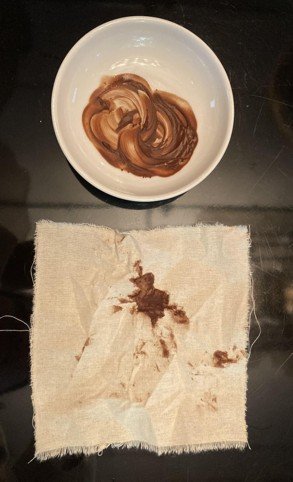
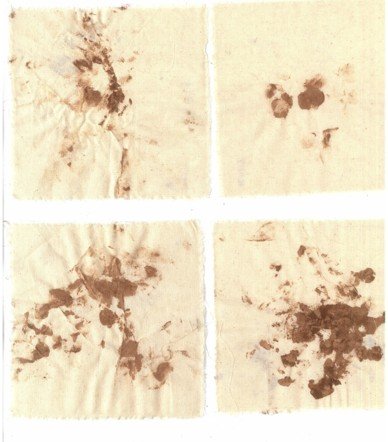
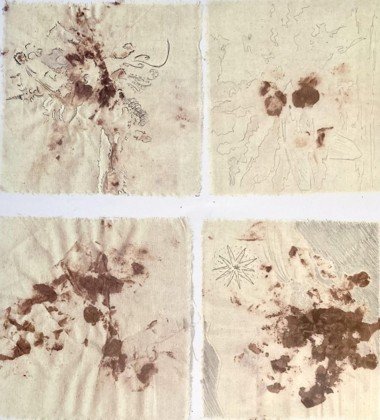
Experiment in Homunculi V2.0 asks visitors to mix together cacao oil and vanilla essence using their fingers, similar to the mixing of mineral pigments and animal glue in traditional Japanese painting (Nihonga). This meditative action is where Risa and Nina want to explore the mind-body connection drawn by the homunculi, bringing in the element of scent due to the pungent nature of the vanilla essence (although visitors are welcome to taste their mixes). Once the visitors complete their mixing, they will then be asked to wipe their fingers on napkins, which Risa and Nina will hang up on a sheet to create a tapestry of mark-making, the only evidence left behind of the visitors’ food experience. Visitors will once again be painting with food in this version of Homunculi.
There are many links to be found in this experiment: the symbiotic agroforestry of vanilla and cacao, as well as their historic use in ancient Mayan rituals; the novel discovery of interconnectivity in cortical homunculi that overturned a century of evidence; the meditative action that brings together these ideas connecting the mind and body, vanilla and cacao.